


When mainstream media talks about parents who are sex workers, there’s only one moralizing stereotype. It’s a sad, condescending story riddled with neglect and desperation, with the children framed as victims, who’ll grow up damaged under the care of someone who isn’t Betty Sue in the suburbs. Except, ProMomme is here to prove them wrong.
Led by veteran sex worker Kim Ye, the biennial magazine features essays, poems, interviews, and artwork by sex workers and their children. It’s a nuanced look at the relationship between sex work and parenthood, which rounds out an incomplete and judgmental narrative through thoughtful discourse about identity, intergenerational family dynamics, and the same challenges that every other parent faces.
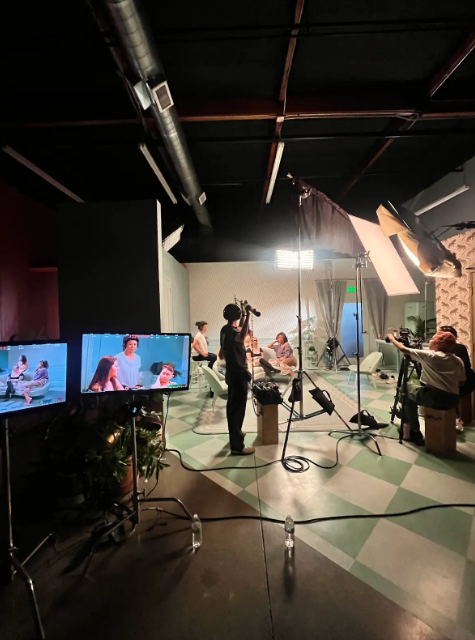
After the massive success of the first issue in 2024, Ye began working on an accompanying documentary, centering real sex worker parents in Southern California. And as the magazine sold-out its first edition, she and fellow SWOPLA organizer Sophia Coleman embarked on ProMomme Vol. 2, which goes deeper into themes introduced in the original volume. None of it reads like victimhood, because none of it is. Because the same skills the job demands — negotiation, boundary-setting, and staying steady while someone falls apart in front of you — turn out to be exactly what parenting demands.
SS: What inspired you to start ProMomme?
KY: The inspiration for ProMomme actually came out of these parent focus groups that we were doing as part of SWOPLA’s sex worker led research. We were talking to people about finding the value of sex work when it comes to parenting, because we were wondering how the two informed each other. It was like, “What about your job helps, but also limits your role as a parent? Imagine if there was a parenting magazine for sex workers, what would it look like?”
The parents who took part in those conversations were like, “This should really exist. It’s an idea we’ve never even thought about.” But we needed the money to make that happen, so I started to apply for grants and was ultimately funded by the California Arts Council.
SS: It’s unfortunate that a lot of people don’t even realize that sex workers can be parents. Our society thinks their entire identity is just having sex for money, but sex workers are like anyone else. They can have kids and be good parents.
KY: Yeah, they don’t understand what the work entails. They just hear “sex work” and it’s just some abstract concept in their mind. They don’t think about us as people who have a valuable skill set that helps with interpersonal negotiation, boundary-setting, and tech.
SS: What kind of content do you publish and how do you source contributions?
KY: We go through SWOPLA’s amazing network, putting calls out through social media, the newsletter, and stuff like that. We’re really aiming to get people to just share their perspective through words and art. Some of what we include are personal essays and poetry capturing the day-to-day experience of being in sex work as a parent, processing bodily changes, folks who’ve transitioned but carried their kid inside their own body. The contributors are generously giving us a glimpse of what the world looks like through their eyes and what a typical, mundane-ass Monday can be. But it’s also about the beauty, heart, and emotional resonance within those small moments.
The idea of “home” goes so deep. What was your home like and what were the prevailing attitudes? It’s sometimes really hard to find the language to articulate that, so what I really admire about our contributors is how vulnerable they get. It’s really a look from the inside.
SS: Can you tell me a little bit about the first issue and how it compares to volume two?
KY: At the beginning, we really didn’t know what we were doing or what kind of work we were gonna get. Like, this is the first sex worker parenting magazine that’s ever existed, so we ended up focusing the first issue on one-on-one interviews with parents. But for the second issue, we have some returning contributors and other people who came through the network or community.
It’s interesting, because we didn’t put a theme out there for people to respond to, but what we noticed was that a lot of “mommy issues” came up. Things about sex workers’ own mothers or contributions from the kids of sex workers, who gave their perspective of what it was like to grow up with their mom doing the kind of work she did.
SS: I’m curious, what were the kids saying?
KY: One interview we did was with a union organizer named ™ Dollar, who’s not a sex worker. However, she talked about how her upbringing with her mom doing full-service sex work and how her mom’s the first person that taught them about socialism. She talked about how her mom worked to make the world as fair as she could for them, so that was really beautiful — even though she had been incarcerated and gone through the system and things like that. She still worked to try to make a fair world for her kids in an unfair world.
She also talked about the relationships that her mom had with some of her clients. One person she mentioned was this old man at her mother’s funeral, who told her that her mother was an amazing person.
SS: That’s really lovely and shows how you can instill a lot of great values within your kids. You can teach how to empower themselves, accept every kind of person, and be an empathetic, supportive presence. It’s obviously very telling that this guy came up to her, you know?
KY: I think it’s very tender. Parents and kids and home life, it’s all very tender and hits us in a very deep way, whether we say and know it outright. Parenthood is such a transformative experience. You may have decided to have a baby at some point, but the process of raising that baby changes you into a person different from the one who did the deciding. You have to reinvent yourself, and I think sex workers have a lot to say about that process.
Sex work teaches you how to build relationships, empathetic, and patient. I’ve found it really helpful for childrearing, like when they have tantrums or flipping out or get hurt or something. You still have to act like it’s okay and support them, even if you’re struggling inside or dealing with all this other stuff.
SS: Can you talk a little about the making-of the documentary?
KY: The spirit of the documentary was really similar to the publication. We wanted to get this topic out there and were thinking about what ways people consume or come into contact with stories these days.
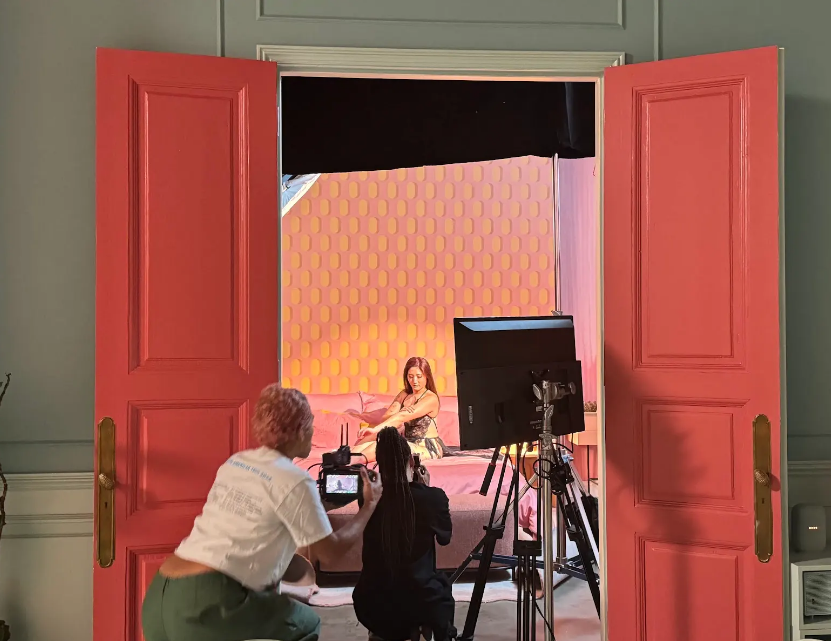
I never made a traditional documentary before, but I’ve made a bunch of video art. I’m a parent from the community, so I was interested in telling the story from our points of view. And then, we kind of went through interviews with pre-interviews with folks, and assessed people’s willingness to be on film talking about this still-controversial subject. Being out can put you under like a magnifying glass or call attention to you that you don’t want if you’re in some kind of legal custody battle.
There was a lot of trust demonstrated in this relationship that we built, because I think so much of what’s shitty about Hollywood is that whole process of extracting people’s stories on their production timeline. I’ve been on both ends of it. I’ve had a deal for production before and filmmakers approach me about being featured in something, but it never feels respectful or like I’m an equal.
That wasn’t the vibe that we wanted for this, but I wanted the aesthetic to be very pop culture–like The View or Good Morning America. I wanted to apply that mainstream look to our world and be like, “When you put it through that lens, it looks fucking normal too.”
SS: What do you really want people to take away from the entire ProMomme project?
KY: At the most basic level, I want them to recognize sex work and sex workers as positive forces in society, whether it’s literally pleasing people or supporting your family in all these different ways. This may be counterintuitive for folks because of the Madonna and the Whore complex, but often what makes you a good sex worker also makes you a good parent.
The idea that sex work would cause you to be separated from your kids— which is especially prevalent with Black families — breaks my heart. I really want that to not happen anymore. I want this project to completely transform the associations between sex work, parenting, and our cultural attitudes around it. I want it to be like, “Oh, I’m not worried about my kid not being able to play with other people’s kids, because someone finds out I’m a Domme or something.”
ProMomme Vol. 2 will be released on July 23 alongside a screening of the documentary at LA’s Kult:LA.